
The Reality of Softball Tournaments Gone Wrong
Softball tournaments are often the highlight of a team’s season—packed with competition, excitement, and memories. But not every tournament goes smoothly. Some are plagued by poor organization, sudden weather issues, or unplayable field conditions. For local teams, these hiccups are frustrating enough. For teams that have traveled across states, invested money, and planned family schedules around the event, the impact can be even greater.
Common Issues That Derail Tournaments
1. Poor Organization
When tournaments aren’t well-planned, chaos follows. From unclear schedules to last-minute changes in brackets, disorganization leaves players, coaches, and families feeling lost. This not only disrupts competitive flow but also dampens morale.
2. Inclement Weather
Mother Nature is always the wildcard. Heavy rain, storms, or extreme heat can delay or cancel games altogether. While safety comes first, poor contingency planning can leave teams stranded in hotels or driving home without ever playing a single game.
3. Field Conditions After Weather
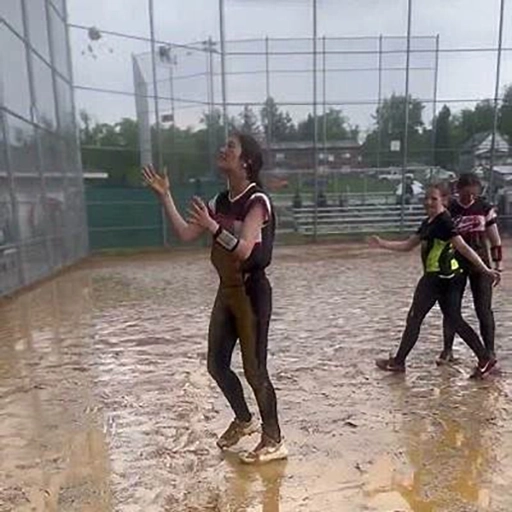
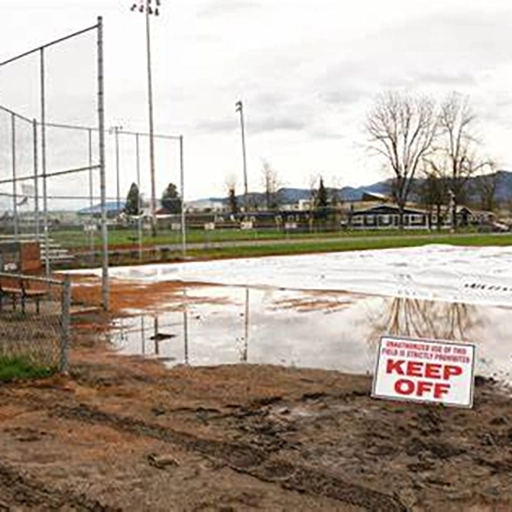
Sometimes games resume too quickly after rain, leaving fields muddy and unsafe. Poorly maintained fields not only risk injury but also lower the quality of play. Teams traveling hundreds of miles don’t want to see their season’s effort reduced to slip-and-slide softball.
The Impact on Traveling Teams
For teams traveling from different states, a bad tournament experience stings more than just a lost weekend:
- Financial strain: Families invest in hotels, gas, flights, and meals, often spending hundreds or thousands of dollars.
- Time lost: Parents take off work, athletes miss school, and the opportunity cost is high.
- Emotional toll: Players look forward to showcasing their skills, and when tournaments collapse due to mismanagement or weather, the disappointment is crushing.
- Recruiting setbacks: For older athletes, missing out on tournament games can mean missed opportunities to be seen by college scouts.
How Can We Make Things Better?
Even though not every situation can be avoided, there are steps organizers and communities can take to support teams when things go wrong:
- Transparent Communication
Clear, frequent updates through apps, texts, or social media help families plan better. Silence breeds frustration. - Backup Facilities & Contingency Plans
Partnering with local parks or schools ensures there’s a plan B if fields become unplayable. - Flexible Refund Policies
When entire weekends are lost to weather, partial refunds or credit toward future tournaments go a long way in keeping teams satisfied. - On-Site Hospitality
Offering discounts with local hotels, restaurants, or attractions helps families make the most of their trip—even if games are canceled. - Player Safety First
Properly assessing fields and avoiding rushed starts after rain shows commitment to protecting athletes.
Final Thoughts
Softball tournaments will never be perfect, and sometimes things happen that nobody can control. But the way organizers respond makes all the difference. Teams and families who invest so much deserve not just fair play but also fair treatment when things don’t go as planned. By improving communication, contingency planning, and player-first policies, we can turn bad experiences into opportunities to grow the game and make it better for everyone.