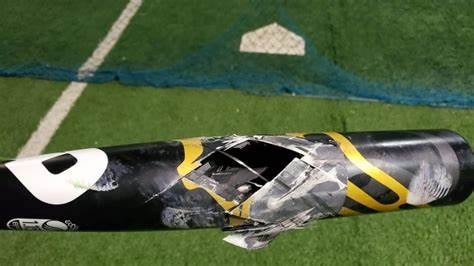
If you’re a fastpitch player or coach, you may have noticed a frustrating trend: bats don’t seem to last as long as they used to. Maybe you’re replacing yours every season (or more often), or you have teammates lamenting that a “$300” bat cracked within months. Is this just bad luck, or is something deeper going on? In this article, we’ll walk through the likely causes, what the manufacturers and sanctioning bodies say, and how you can protect your wallet and equipment.
After all, baseball, initially played in the U.S., has become an international sport, and proper bat preparation is essential for all players.
Two-piece bats can also create a trampoline effect, enhancing flexibility and performance.
Possible Reasons Why Bats Are Breaking/Not Lasting
Material & Manufacturing Advances (and trade-offs)
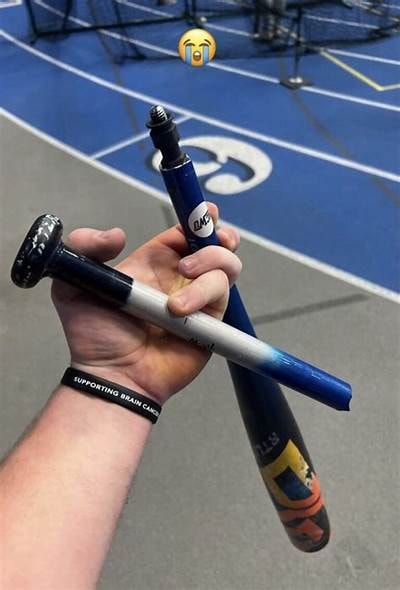
- Many modern fastpitch bats use composite materials (carbon fiber, multi-piece construction, thinner walls) to deliver higher “pop,” lighter weight, and more forgiving feels. That innovation is good — but there’s often a trade-off in durability. Composite bats require a break-in process to loosen the fibers and gradually optimize performance. For example, one commenter in a forum noted: “The bat manufacturer wants to make bats as hot as legal … but that would decrease the durability or lifespan of the bat.”
- One known case: Louisville Slugger alerted users of a manufacturing issue with a specific 2013 model: “We have become aware of a manufacturing issue that has compromised the durability of the oneX bat… in extreme cases … a complete fracture between the handle and barrel.”
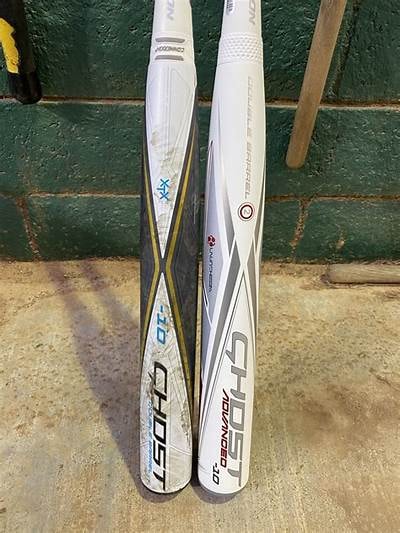
- Another factor: Due to rule changes (more about that below), manufacturers must design to stricter standards (compression ratings, stamps, etc.). For example, the USSSA moved from a 220-compression standard to a 240-compression standard for certain bats.
- The newer standard (240) means the bat is stiffer initially and designed to last longer. But many players feel older versions broke faster or vice versa, and there’s some confusion.
- The bottom line: Materials and engineering have changed. Higher-performing bats may have less margin for error, narrower tolerances, and be more sensitive to environmental conditions (cold weather, repeated misuse) or to user abuse (hitting frozen balls, etc.). The distribution of weight toward the end of the bat affects swing dynamics and performance.
- With thinner walls, it’s important to rotate the bat and hit from different angles during the break-in period to ensure even wear.
Usage, Conditions & Expectations
- How many swings does a bat really get? If you’re practicing a lot, teeing, soft-toss, batting practice, etc., you might hit a far greater number of balls than before. The “lifetime” of a bat can shrink simply because it’s getting used harder. Tracking the count of swings during the break-in period helps ensure a gradual and even break-in.
- When it comes to batting practice, there is a difference between hitting from a pitcher and using a tee for breaking in a bat. Using a tee and soft toss to break in a new bat is recommended; only half the force should be used when hitting off a tee to avoid damage.
- Environmental conditions matter: Cold weather, tough ball impacts, and misuse (hitting off the handle, grounders, etc.) accelerate wear.
- There’s also the psychological/expectation factor: With lighter bats, bigger sweet spots, we may expect “eternal life,” but all bats have a limit. One Reddit user said: “If you tell them the truth… a high-performance bat only has a certain number of swings in it, and it’s done.”
- The break-in period is essential, and patience is key to achieving optimal performance.
Regulatory & Stamp Changes: A Hidden Driver
When it comes to sizing and expectations, choosing the correct length is especially important for girls; most girls between 5-foot and 6-foot-3 should look for bats measuring 31 to 33 inches. To select the appropriate bat size, measure wingspan or height, as this can help determine the ideal bat length for optimal performance.
The thing to keep in mind when choosing between composite and aluminum bats is the break-in process required for composite bats and the immediate usability of alloy bats.
Temperature Effects on Bat Performance
Temperature considerations represent a critical factor in composite bat performance and longevity—particularly for dedicated softball players seeking optimal equipment functionality and extended service life. Understanding the comprehensive relationship between environmental conditions and bat performance ensures maximum return on investment and consistent athletic performance.
Composite bat materials demonstrate heightened sensitivity to temperature variations. During cold weather, composite materials exhibit increased stiffness, significantly reducing the trampoline effect essential for power generation. This temperature-induced rigidity results in diminished performance metrics, including reduced power output and decreased ball travel distance. Additionally, cold exposure substantially increases fracture risk and the potential for structural failure. Industry manufacturers strongly recommend avoiding composite bat usage in temperatures below 55 degrees Fahrenheit, as freezing conditions compromise fiber integrity and accelerate equipment deterioration.
Elevated temperatures provide enhanced performance benefits for composite bat functionality. Warm conditions maintain material flexibility, enabling superior performance characteristics and consistent power transfer from barrel contact. However, adherence to manufacturer specifications remains essential to prevent heat-related damage during extreme temperature exposure.
Proper storage protocols ensure optimal bat readiness and performance consistency—store composite bats in warm, dry environments when not in active use. For cold-weather practice or competition, use bat warming devices or protective sleeves to maintain safe operating temperatures. Avoid prolonged storage in vehicle trunks or outdoor environments, as temperature fluctuations compromise material integrity and reduce equipment lifespan.
Aluminum bat construction demonstrates superior temperature resistance and accommodates a broader range of environmental conditions. Nevertheless, comprehensive equipment care protocols apply to all bat types—both composite and aluminum—requiring strict adherence to manufacturer guidelines and proactive wear prevention strategies.
Temperature management extends beyond environmental monitoring—it represents a fundamental component of equipment performance optimization and durability enhancement. By systematically addressing temperature effects and implementing protective measures, players can prevent equipment damage, maintain consistent performance standards, and maximize equipment investment returns across all playing environments, from structured practice sessions to competitive gameplay and recreational activities.
The Break-In Process: Getting It Right to Prevent Early Failure
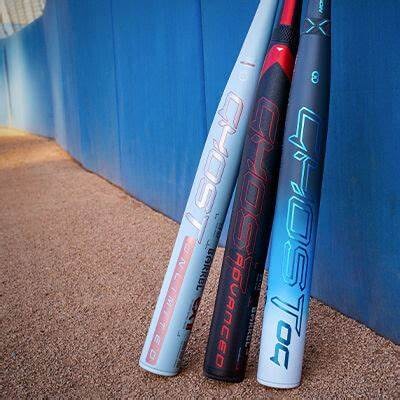
Suppose you want your composite bat to deliver optimal performance and provide reliable service throughout the season. In that case, the break-in process represents an essential investment in your equipment’s longevity and effectiveness. Unlike aluminum bats, which offer immediate readiness, composite bats require professional attention and proper preparation before reaching their peak performance. This break-in period focuses on gradually conditioning the barrel fibers to develop the enhanced responsiveness that delivers superior performance and consistent, reliable contact.
Here’s how softball players can properly break in a composite bat using proven, professional methods:
- Start Slow with Soft Toss or Tee Work: Begin by making contact with softballs using tee work or a gentle toss, applying approximately 50% of your typical swing force. This careful, measured approach allows the bat’s internal structure to gradually adapt while protecting against premature wear and maintaining long-term durability.
- Rotate the Bat After Every Hit: Following each swing, rotate the bat approximately one-quarter turn around its axis. This systematic approach ensures uniform conditioning across the entire barrel surface, preventing inconsistent performance areas and promoting comprehensive, even development throughout the equipment.
- Gradually Increase Swing Intensity: As you progress through your break-in sessions, systematically increase the power and intensity of your swings using a measured, professional approach. By the time you’ve completed 150 to 200 contacts, you should be utilizing full competitive swing speeds while maintaining proper form and technique.
- Use Regulation Game Balls: Always use official, regulation softballs during conditioning. Avoid using practice balls with dimpled surfaces or any harder alternatives, as these materials can compromise the bat’s barrel integrity and significantly reduce its effective lifespan and performance capabilities.
- Mind the Temperature: Composite bat materials are sensitive to cold weather. Most manufacturers strongly recommend avoiding use in temperatures below 55 degrees Fahrenheit, as cold weather can compromise the material’s flexibility and increase the risk of structural damage or failure.
- Please don’t rush the Process: While it may be tempting to accelerate your bat’s readiness for competitive play, patience and methodical preparation deliver superior long-term results. A carefully executed break-in period ensures optimal performance characteristics and maximizes your equipment investment over time.
Remember, the break-in process represents more than simply preparing your bat for competition—it’s about protecting your investment and ensuring every swing delivers consistent, reliable performance. Experienced players and coaching professionals consistently emphasize that proper equipment preparation leads to enhanced confidence, improved performance, and greater equipment longevity. Take the time to follow these professional guidelines carefully, and you’ll enjoy optimal results and dependable performance throughout your entire season.