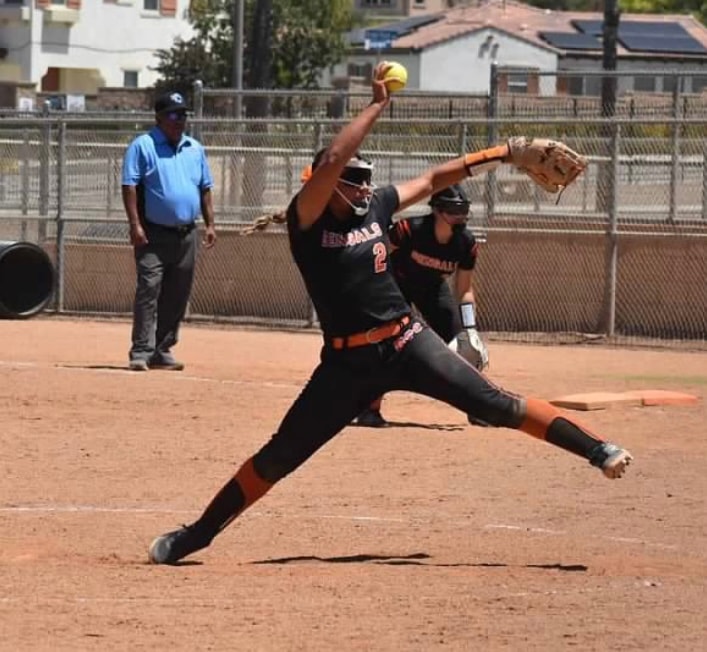
Fastpitch softball families often enter the recruiting process feeling a mixture of excitement and anxiety. The pressure to secure a collegiate roster spot can lead parents to invest significant financial resources in exposure events, private lessons, travel, and recruiting services. A recurring and important strategic question arises: should a recruiting-phase athlete allocate more time to direct communication with a college coach or prioritize attending showcases and prospect camps?
This analysis provides evidence-based guidance for families attempting to maximize recruiting outcomes with softball programs and minimize unnecessary expenditures.
Understanding the Modern Recruiting Landscape
Collegiate recruiting in Fastpitch softball has evolved significantly due to the transfer portal, increased data access for coaches, and a larger pool of competitive athletes. Coaches are no longer relying exclusively on large showcases to identify talent. They increasingly request curated video, player metrics, and consistent digital communication to evaluate prospects before allocating in-person evaluation resources.
Consequently, a hybrid approach has emerged as the most effective. Nevertheless, each athlete’s strategy should align with:
Age and graduation year, including key recruiting timeline milestones such as freshman, sophomore, junior year, athlete’s junior year, and senior year
Evaluation periods when coaches are permitted to assess athletes
Competitive level and position
Verified skill metrics and measurable development trajectory
Academic profile
Desired division level and target schools
Financial tolerance for recruiting events
Official visits are a significant milestone in the recruiting process, typically allowed during the athlete’s junior or senior year, depending on NCAA rules.
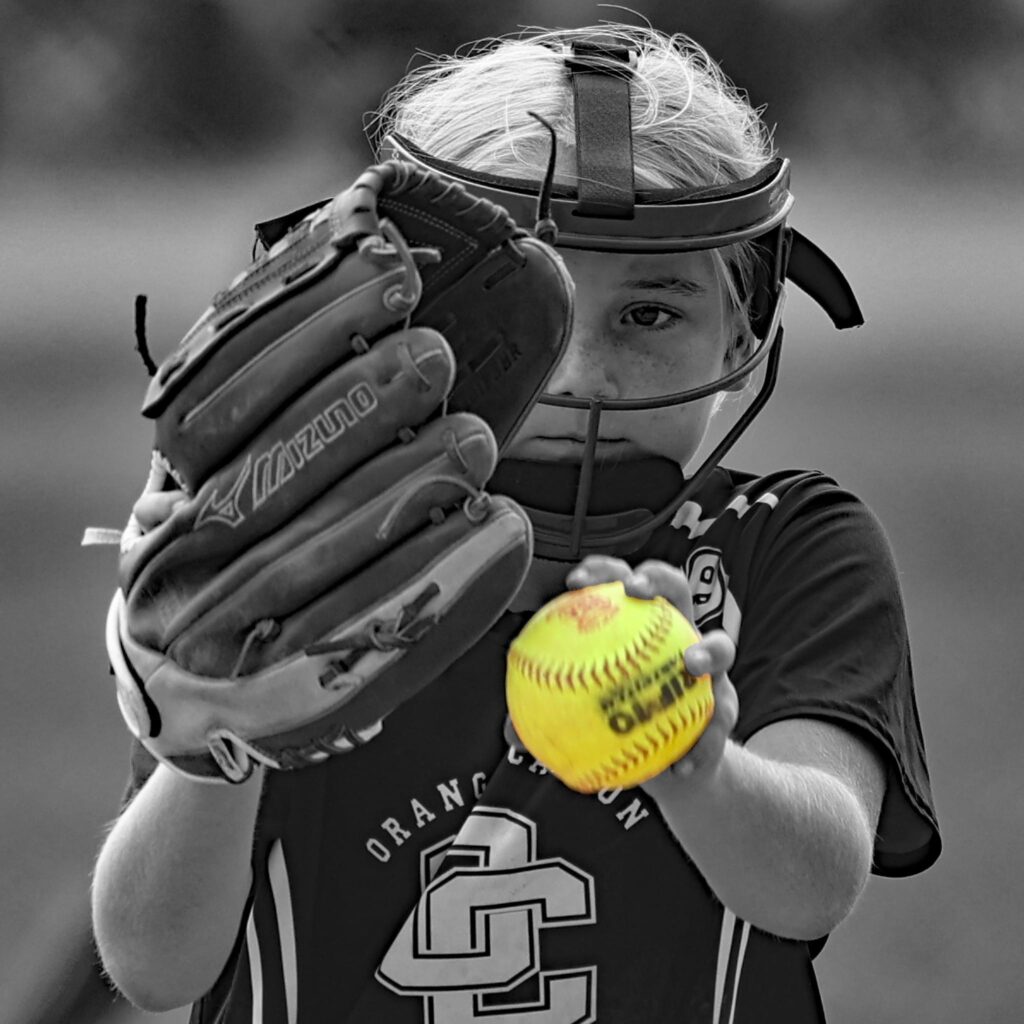
Academic Fit and College Recruiting
Academic fit is a cornerstone of the college recruiting process for high school softball players. College coaches are not only searching for top talent on the field, but also for students who can thrive in the classroom and meet the academic standards of their programs. Each NCAA division—Division 1, Division 2, and Division 3—as well as NAIA schools, has its own set of academic requirements that athletes must meet to be eligible for participation and scholarships.
For softball players, understanding these academic expectations is just as important as showcasing athletic skills. Researching the academic programs, course offerings, and support services at each college can help athletes identify schools where they can succeed both academically and athletically. This means looking beyond the softball field to consider factors like tutoring resources, academic advising, and the overall campus environment.
By prioritizing academic fit during the recruiting process, athletes can ensure they are targeting college programs that align with their long-term goals. This approach not only increases the likelihood of being recruited by college coaches but also sets the stage for success in school and life after softball. Ultimately, finding the right academic and athletic balance is key to making the most of the college recruiting journey.
Direct Coach Communication: Efficiency and Return on Investment
Proactively emailing coaches with highlight videos, academic information, positions, and relevant stats, along with tournament schedules, provides a controlled and cost-effective platform to introduce an athlete’s abilities. This approach enables targeted engagement with college softball coaches and college softball programs rather than relying on chance encounters at large events.
Key advantages include:
Direct access to decision-makers on college softball coaching staffs and increased visibility to college softball programs
Ability to personalize communication to demonstrate genuine school interest
Cost efficiency compared to camps and showcases, especially when selecting the right camp for targeted exposure
Opportunity to control narrative through edited video, data presentation, and sharing your story to help coaches understand your background and strengths
Enhanced visibility when paired with consistent performance updates, including updated stats
Direct communication also serves as an early filter. If a coaching staff or program responds, requests further video, or attends a game, the athlete’s efforts are well-placed. If there is no response after multiple outreach attempts, it may indicate a misalignment, allowing the family to adjust the target list without wasting travel funds.
Showcases and Camps: Strategic vs Excessive Attendance
Showcases and prospect camps offer irreplaceable benefits when used strategically:
Live evaluation under game conditions, where coaches assess your fundamentals and glove work during play
Direct interaction with coaching staff and current players, providing insight into the team environment
Insight into a program’s coaching philosophy and campus culture
Opportunities to demonstrate softball IQ and athletic intangibles, as well as your ability to play under pressure
Here are some tips for making the most of showcases and camps: arrive prepared, communicate with coaches in advance, and focus on displaying your strengths. For example, when introducing yourself, briefly highlight your position, key skills, and a recent achievement that demonstrates your value to the team.
Nevertheless, many families overinvest in events without a strategic filter. In most cases, attending numerous showcases does not automatically equate to increased scholarship opportunities. A prospect camp is significantly more effective when:
The athlete has already emailed the coaching staff
Coaches have shown interest prior to the event
The school aligns with the athlete’s academic and athletic goals
A targeted approach prevents financial burnout and avoids exposure fatigue, in which coaches repeatedly see a player without observable improvement.
Dead Periods and Quiet Periods in Recruiting
Navigating the college softball recruiting process means understanding the rules that govern when and how college coaches can interact with potential recruits. Two important concepts to be aware of are dead periods and quiet periods, as defined by the NCAA.
During a dead period, college coaches are not allowed to have any in-person contact with recruits or their families. This means no official or unofficial visits to campus, and no face-to-face meetings at camps or tournaments. Communication is limited to phone calls, emails, and other digital channels. Quiet periods, on the other hand, allow for in-person contact only on the college campus—coaches cannot watch athletes compete off campus or meet with them elsewhere.
For high school softball players and their families, knowing when these periods occur is essential for planning the recruiting process. It’s important to schedule campus visits, attend camps, and reach out to coaches during open periods when in-person contact is allowed. Staying informed about the NCAA recruiting calendar helps athletes avoid missed opportunities and ensures compliance with all rules.
By understanding dead periods and quiet periods, recruits can make the most of their communication with college coaches, plan their schedules effectively, and keep their recruiting journey on track.
Social Media and Online Presence
In today’s college softball recruiting landscape, a strong social media and online presence can be a game-changer for high school softball players. College coaches increasingly use platforms like Twitter, Instagram, and YouTube to scout potential recruits, evaluate their skills, and get a sense of their character and work ethic.
Athletes should treat their social media profiles as an extension of their personal brand. This means keeping content positive, professional, and focused on their journey as a student-athlete. Sharing highlight videos, training clips, and updates about academic and athletic achievements can help softball players get noticed by college coaches and programs across the country.
Engaging with college coaches and programs online—by following, commenting, or sharing relevant content—can also demonstrate genuine interest and help open doors in the recruiting process. At the same time, athletes should be mindful of what they post, as coaches often look for signs of leadership, teamwork, and maturity.
By being intentional with their online presence, softball players can enhance their recruiting journey, increase their visibility, and make a lasting impression on college coaches looking for top talent and strong character.
Empirical Recruiting Best Practices
Research within collegiate recruiting across NCAA, NAIA, and JUCO pathways demonstrates that consistent communication often accelerates recruiting conversations faster than passive attendance at events. Coaches prioritize athletes who demonstrate initiative, professionalism, and persistence. Thoughtful and timely follow-up after a camp or showcase often dictates whether the engagement progresses. Becoming a college recruit involves understanding how coaches identify and evaluate potential players, as well as the steps needed to stand out in the recruiting process.
A practical guideline:
Communicate first, attend second. Identify interest before investing heavily in travel.
While recruiting rankings can provide valuable insights into college softball programs, it’s important to remember that rankings are just one piece of the decision-making process. Athletes should consider additional factors such as team culture, academics, and coaching style. The job of recruiting advisors or coaches is to guide and support players through each step, helping them navigate timelines, rules, and effective strategies for engaging with college coaches.
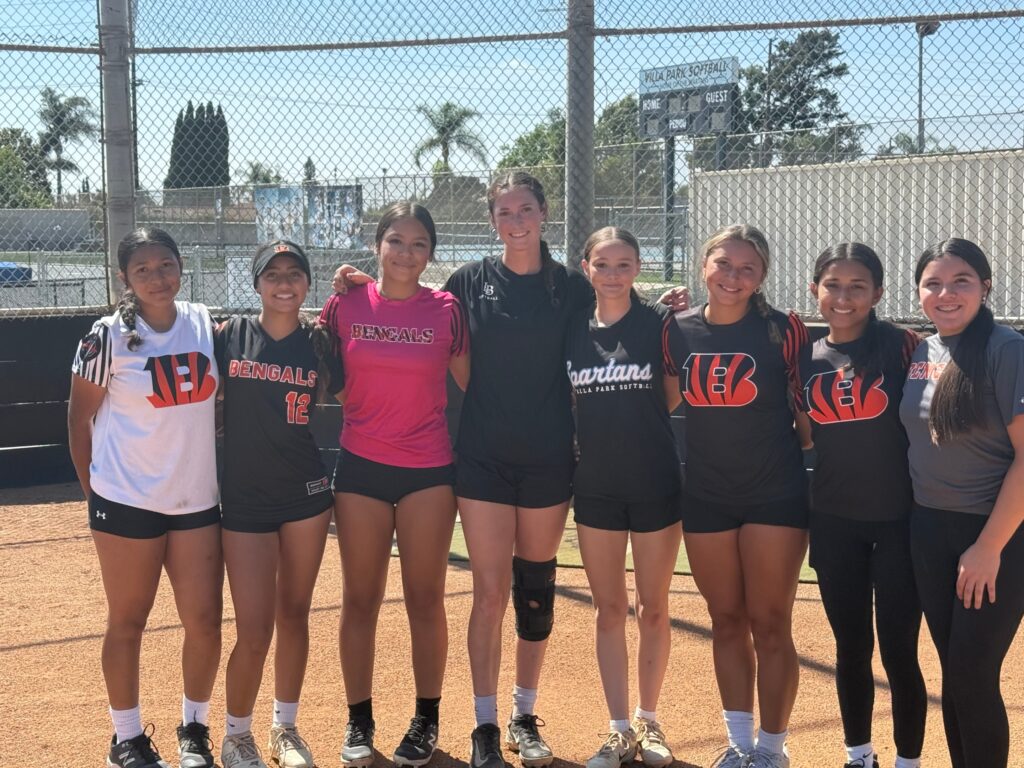
Maximizing Scholarship Potential
For many high school softball players, earning a college scholarship is a top priority in the recruiting process. To maximize scholarship potential, athletes need to focus on developing their skills, maintaining strong academics, and building relationships with college coaches.
College coaches are looking for recruits who can make an immediate impact on their teams. This means showcasing not only softball talent and athleticism but also a strong work ethic, coachability, and a commitment to continuous improvement. Attending the right camps and showcases, where there is already mutual interest, can help athletes stand out and demonstrate their abilities in person.
Understanding the different types of scholarships—athletic, academic, full-ride, and partial—can help athletes and their families set realistic goals and tailor their approach. Highlighting achievements both on the field and in the classroom, and keeping an open line of communication with college coaches, increases the chances of being offered a scholarship.
By taking a proactive, well-rounded approach to the recruiting process, softball players can maximize their scholarship opportunities and take the next step toward playing college softball at the school that’s the best fit for them.
Recommended Recruiting Allocation Strategy
Activity | Purpose | Recommended Emphasis |
Personalized coach emails | Initial outreach and visibility | High |
Highlight and skills videos | Controlled skill demonstration | High |
Prospect camps at target schools | Relationship strengthening | Moderate to High |
National showcases | Broad exposure | Moderate |
Multiple non-target camps | General exposure | Low |
Activity
Purpose
Recommended Emphasis
Personalized coach emails
Initial outreach and visibility
High
Highlight and skills videos
Controlled skill demonstration
High
Prospect camps at target schools
Relationship strengthening
Moderate to High
National showcases
Broad exposure
Moderate
Multiple non-target camps
General exposure
Low
Final Assessment
Parents frequently overspend on exposure events due to uncertainty and fear of missing out. The most cost-effective and impactful recruiting strategy for Fastpitch softball athletes typically prioritizes professional, consistent communication with college coaches combined with selective attendance at camps where mutual interest already exists. Demonstrating academic potential is just as important as showcasing athletic ability, as recruiters evaluate both when considering a player’s fit for their program.
A focused, data-driven, and communication-centric approach serves both the athlete and the family’s financial resources far more effectively than attending every available showcase. Recruiting success hinges not on volume of exposure but on intentional strategic engagement.
For families in the recruiting process, the optimal tactical question is not how many events to attend, but which coaches are responding, tracking progress, and demonstrating genuine interest.